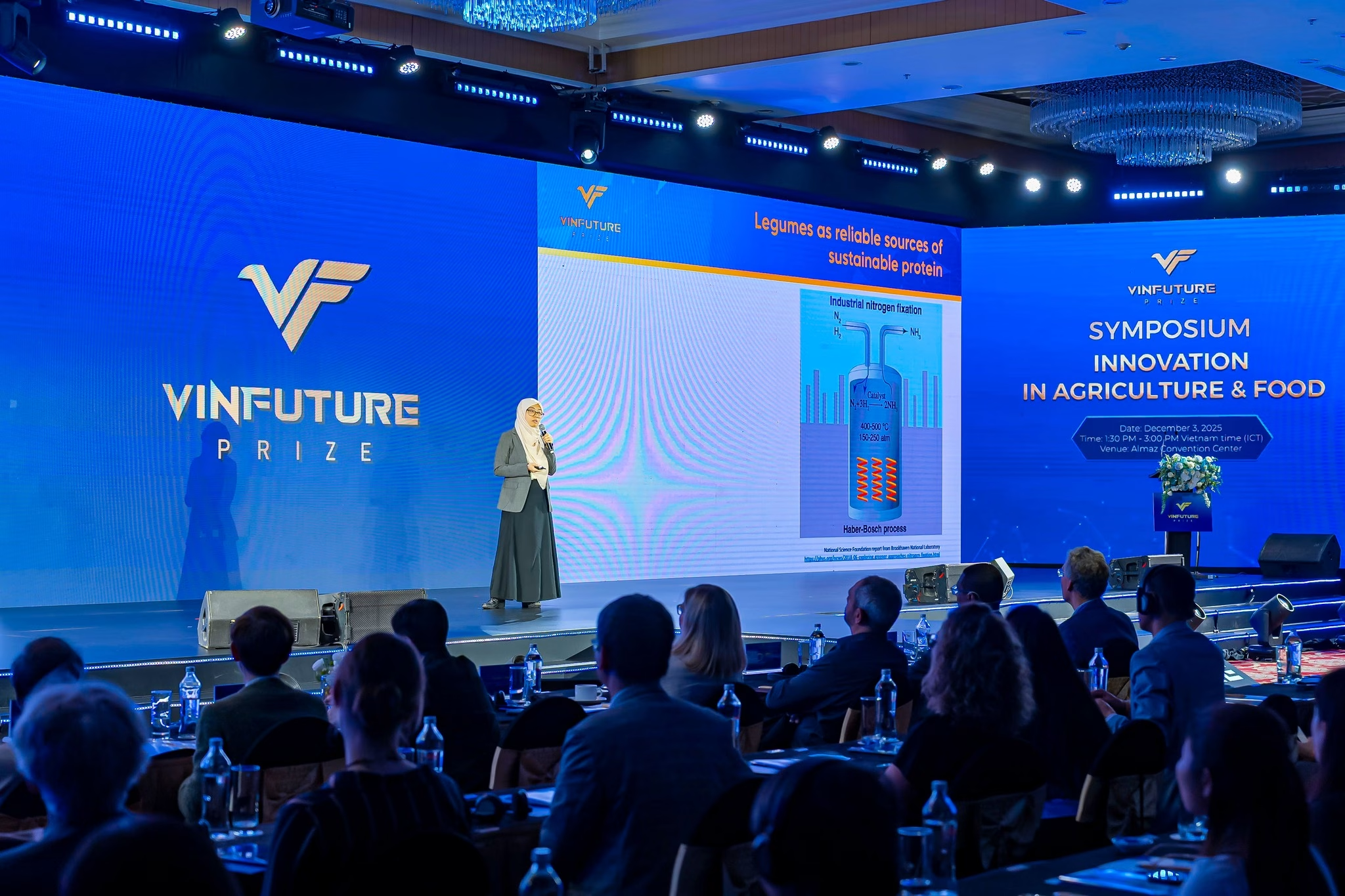
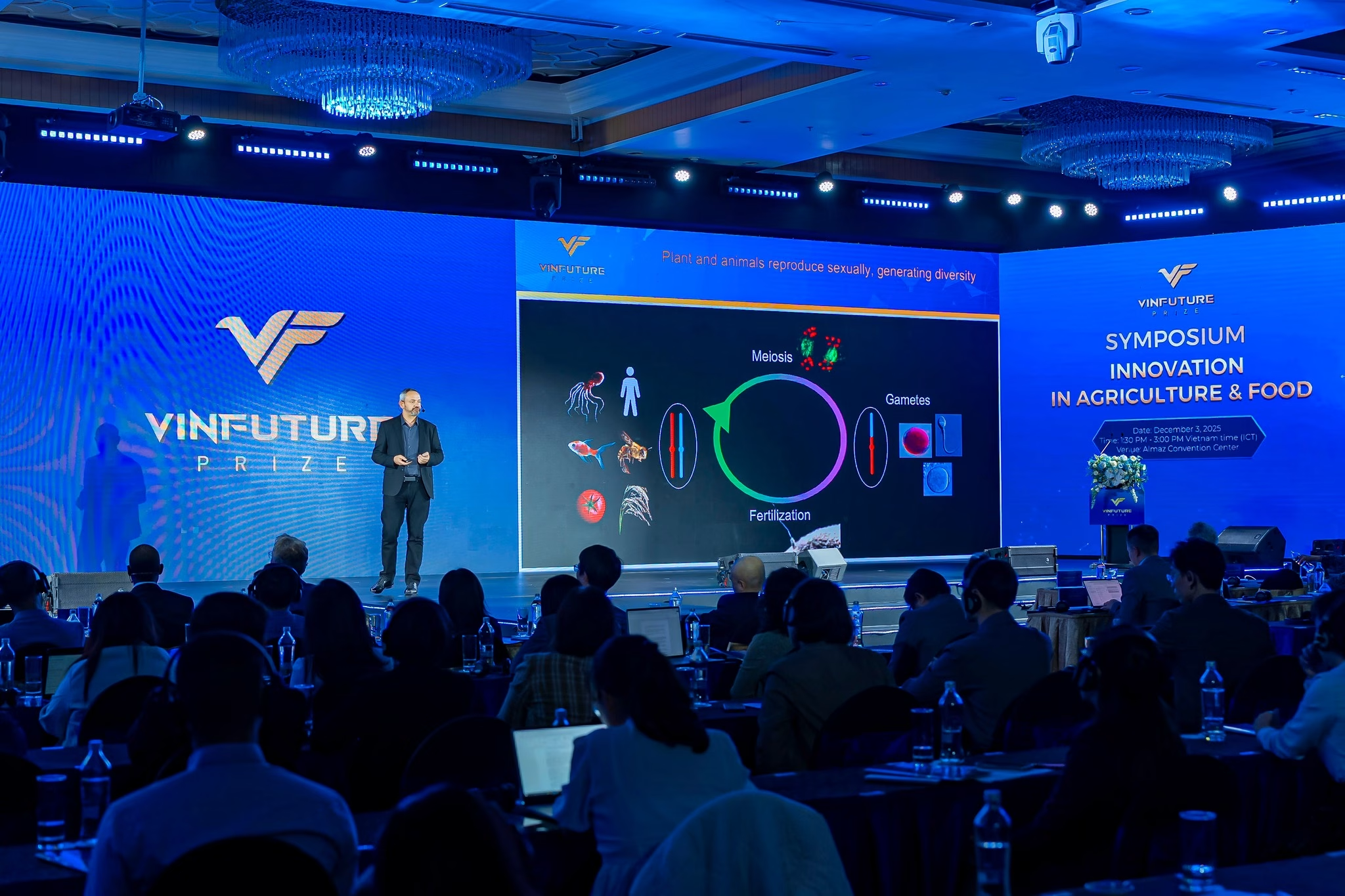
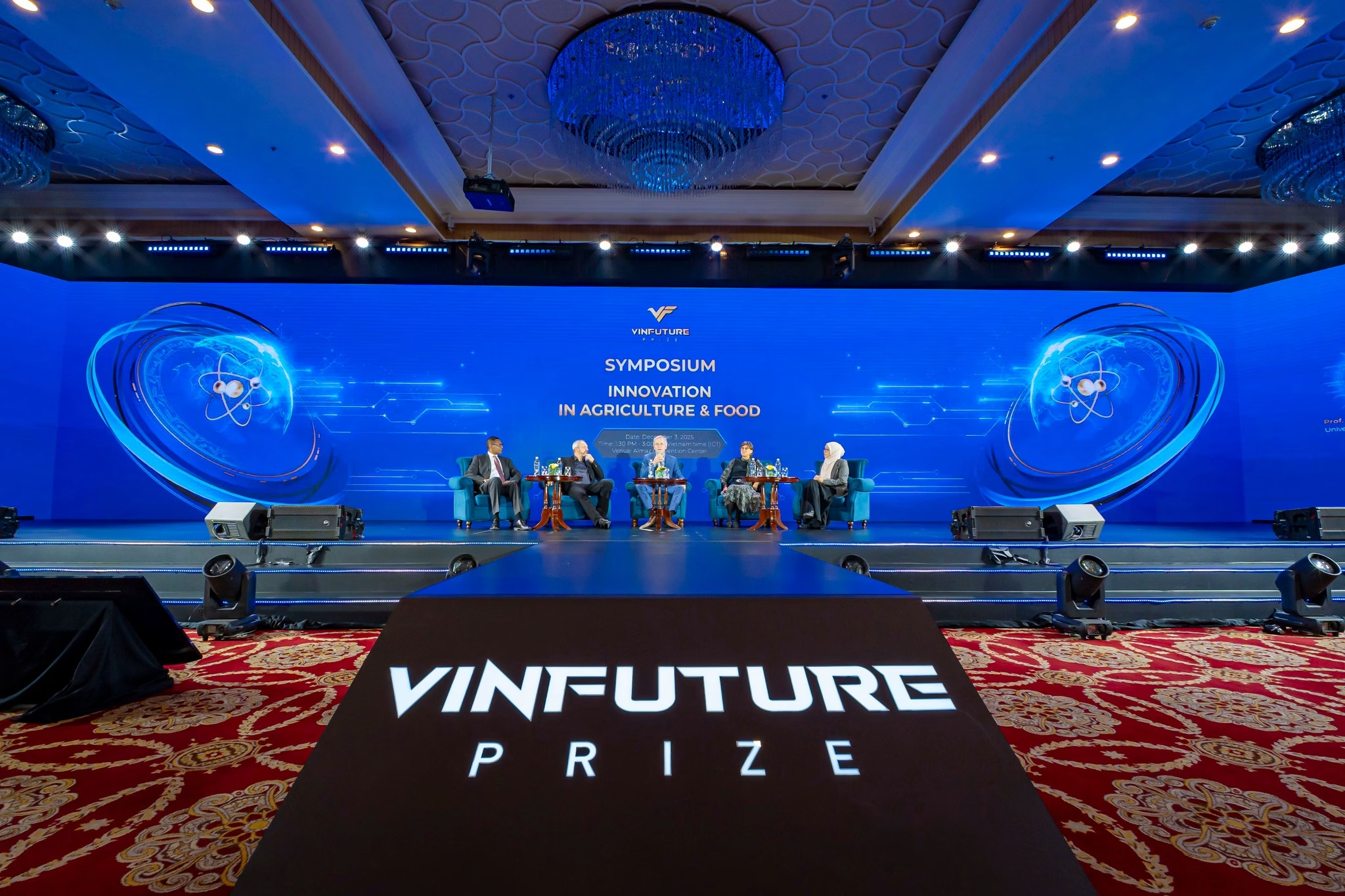
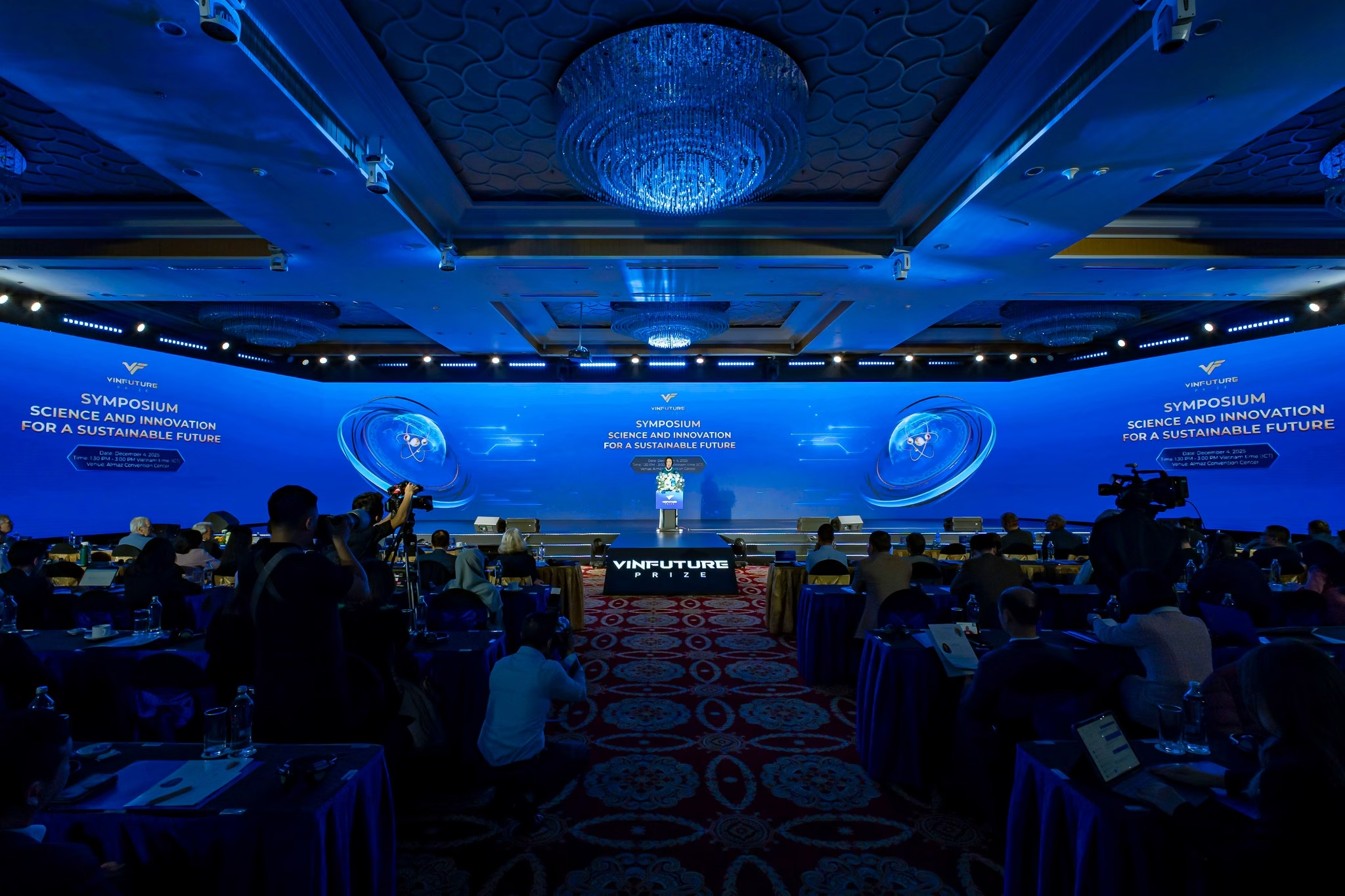
To advance discussions, knowledge sharing, and collaboration in this vital field, VinFuture Foundation hosted a Symposium on “Innovation in Agriculture & Food”. The symposium showcased innovative solutions in sustainable agriculture and livestock, highlighting the use of genetic technologies, microbiomes, precision agriculture, AI, and IoT to enhance productivity, reduce chemical inputs and emissions, and strengthen resilience to climate change.
The symposium has been chaired by Professor Ingolf Steffan-Dewenter, Chair of the Department of Animal Ecology and Tropical Biology at the University of Würzburg (Germany), Member of the VinFuture Prize Pre-Screening Committee. He is a pioneering researcher in studying the impacts of global environmental change on biodiversity and the essential services provided by ecosystems.
The symposium also featured distinguished international scientists in the field of agriculture, biology and environment, including:
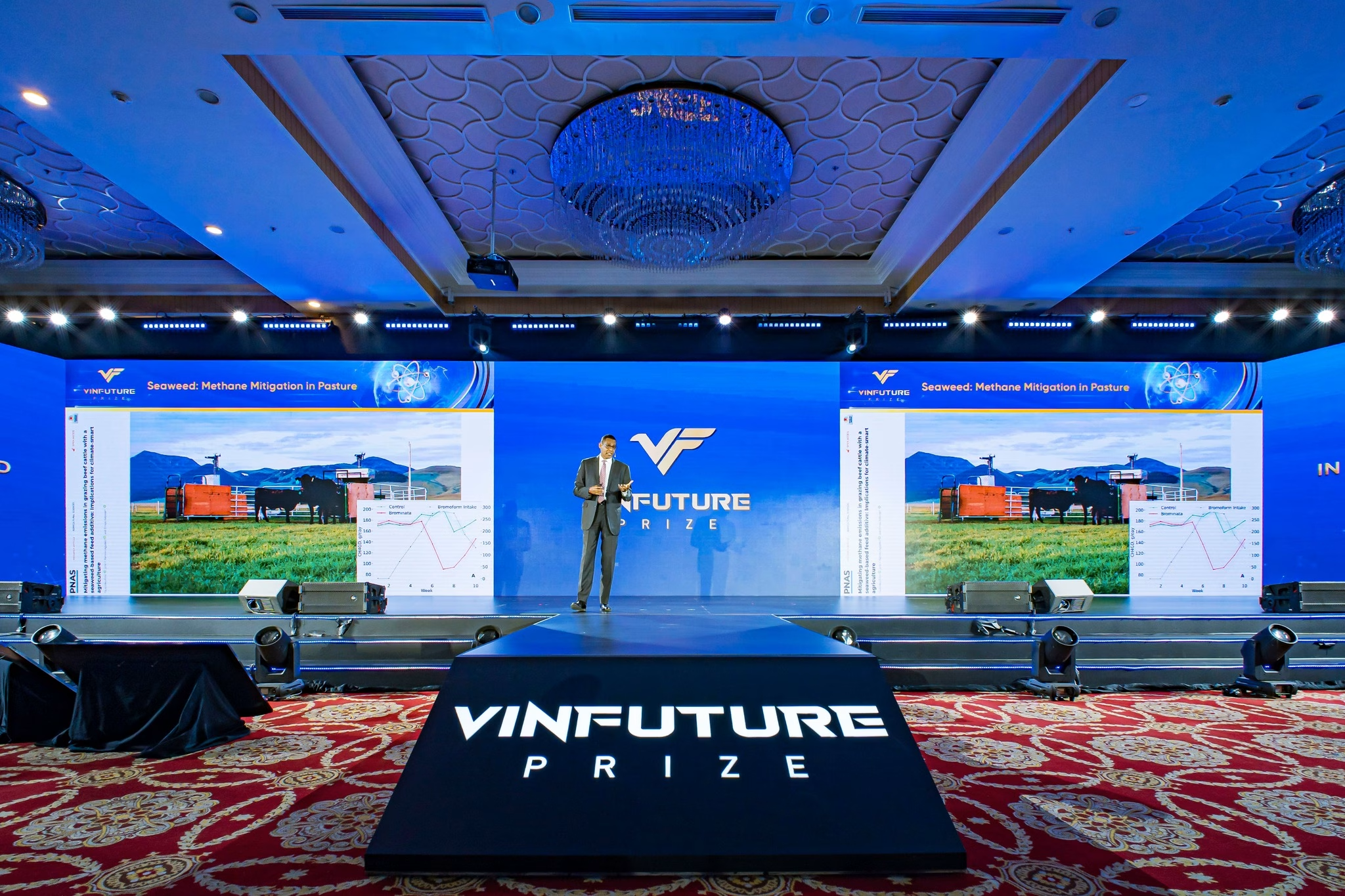
- Professor Ermias Kebreab, University of California, Davis (USA), Member of the VinFuture Prize Pre-Screening Committee – recipient of the Top-AgriFood Prize by World Food Prize Foundation (2025).
- Professor Raphaël Mercier, Director of the Department of Chromosome Biology at the Max Planck Institute for Plant Breeding Research (Germany) – leading expert on the mechanisms of meiosis and genetic recombination in plants.
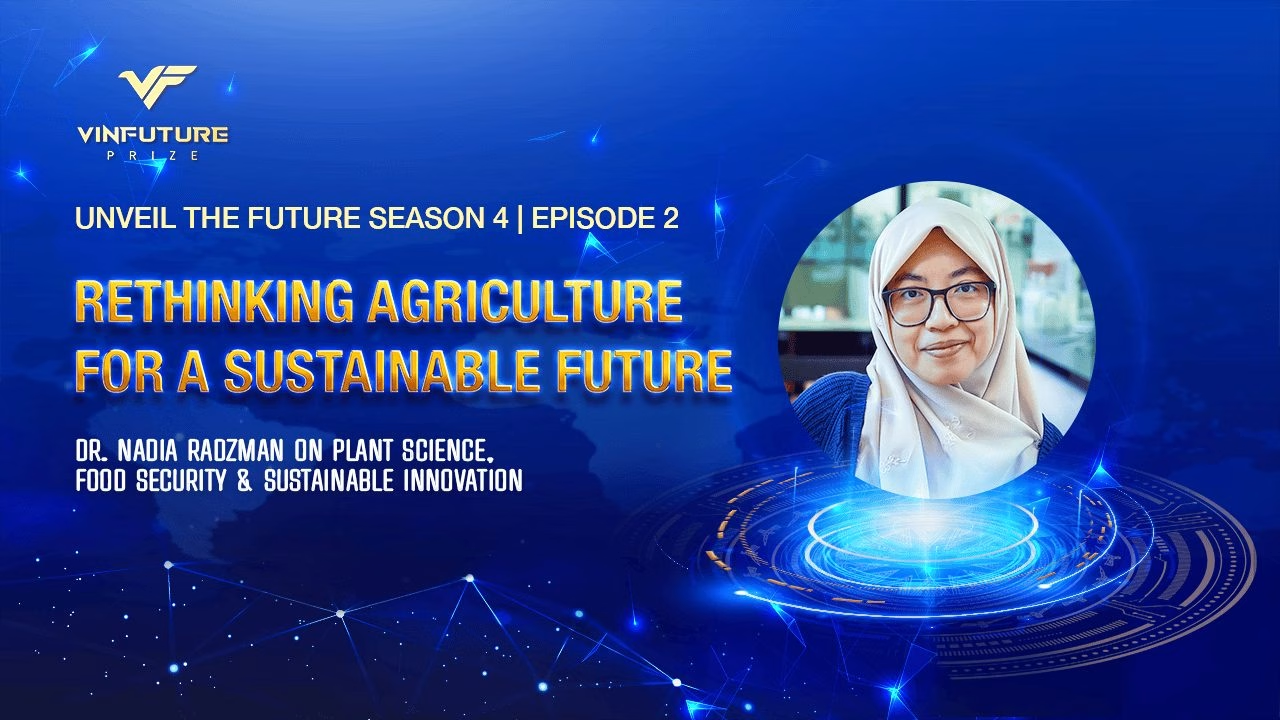
- Dr. Nadia Radzman from the Sainsbury Laboratory Cambridge University (UK) – an active steering committee member of Cambridge Global Food Security and a college research associate at the King’s College Entrepreneurship Lab.
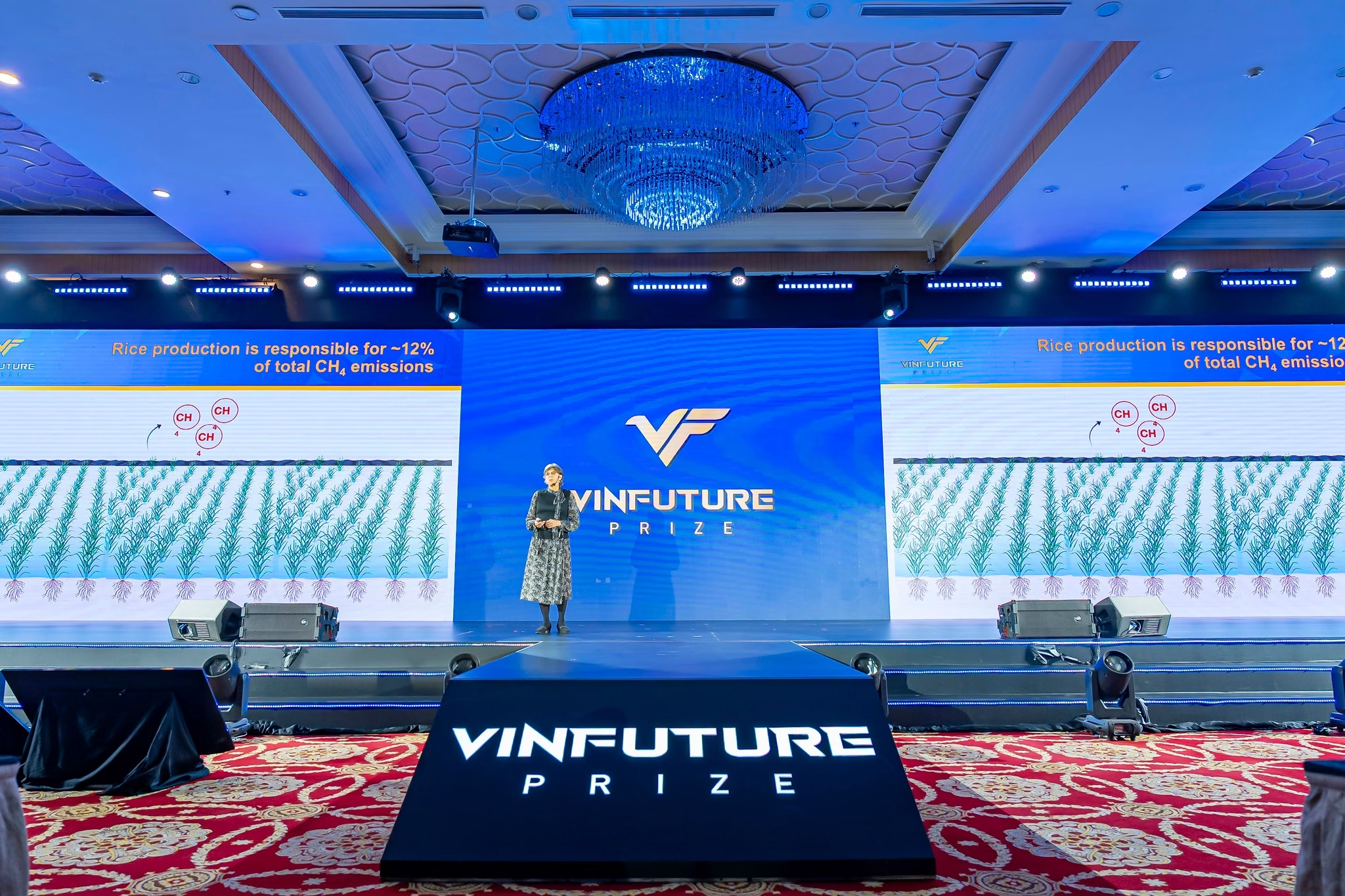
- Professor Pamela Christine Ronald, University of California, Davis (USA), Member of the VinFuture Prize Council – recipient of the Wolf Prize in Agriculture (2022) and the VinFuture Special Prize (2022). She was named one of the world’s 100 most influential people in biotechnology by Scientific American (2015)
Through insightful sharing of leading experts, participants gained insights into emerging technological trends, engaged in discussions on technical, economic, and social challenges, and explored opportunities for collaboration and practical applications toward building a smart, efficient, and sustainable agricultural system.